
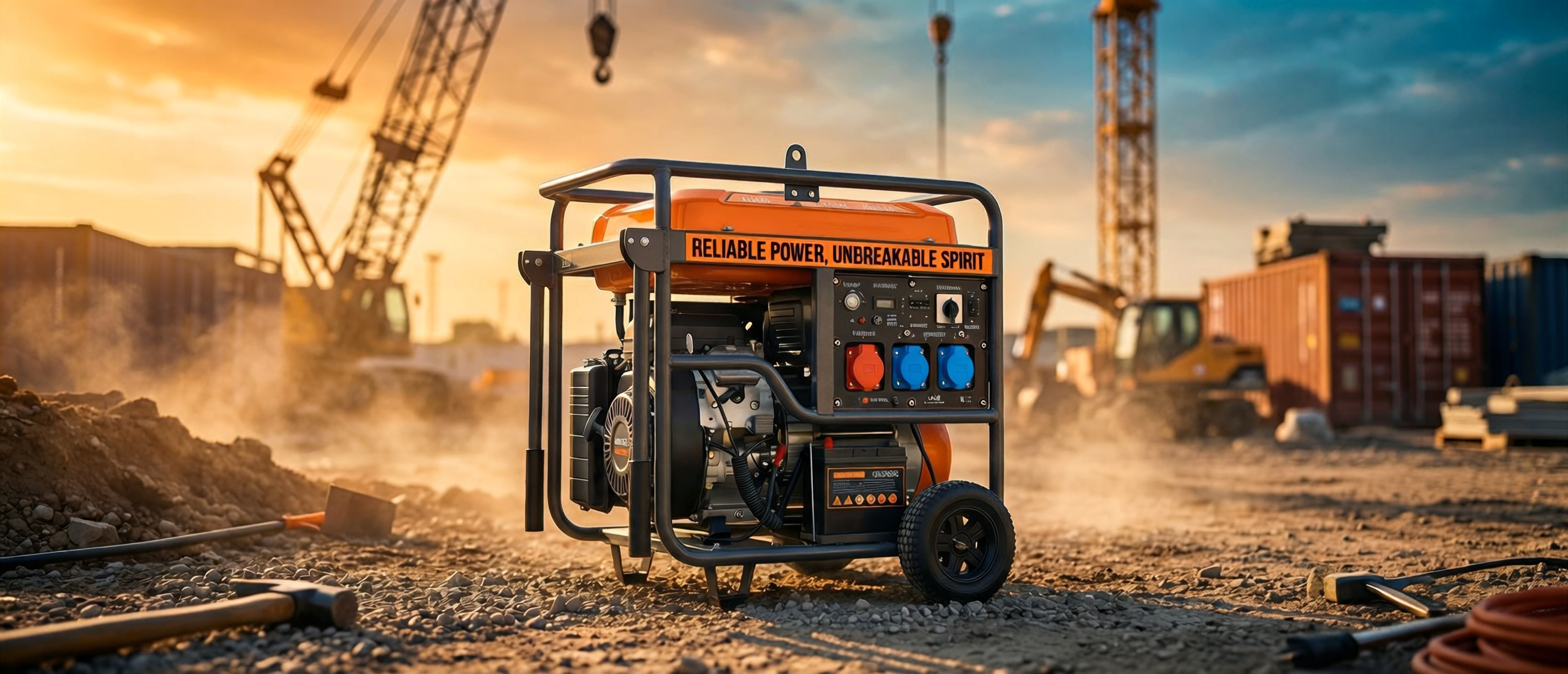
Differences between Diesel Generators and Gasoline Generators
Diesel generators and gasoline generators differ significantly in several aspects:
- Fuel: Diesel generators use diesel fuel, while gasoline generators use gasoline. Diesel fuel has a higher calorific value, making diesel generators generally more energy efficient than gasoline generators.
- Ignition Method: Gasoline generators use spark plugs for ignition, while diesel generators rely on the heat generated by compression for ignition, also known as compression ignition.
- Power Range: Diesel generator sets typically have a wider power range, from 8 kilowatts to 2 kilowatts. In contrast, a gasoline generator of the same size can only reach a maximum power of 10 kilowatts.
- Size and Weight: Generally, diesel generator sets are much larger and heavier than gasoline generator sets. However, gasoline generators are smaller, easier to move, and more suitable for mobile power supply.
- Application Scope: Diesel generators are mainly used for industrial power supply and as backup power for large facilities such as hospitals and mines. Gasoline generators are more commonly used for household or small shop power generation.
- Safety Performance: Due to the safety considerations of fuel, gasoline generators have lower safety performance and higher fuel consumption. Diesel generators, on the other hand, have relatively higher safety performance. In general, diesel and gasoline generators differ significantly in terms of fuel, ignition method, power range, size, weight, application scope, and safety performance. The choice of which generator to use should be determined based on specific application requirements and environmental conditions.